
In 2026, many nations experienced the most extreme temperature fluctuations they had ever experienced during the summer months. It has led to an unsustainable number of brownouts, or major voltage reductions. When demand gets high, power systems malfunction or are intentionally shut down for emergencies. Grid tensions are growing higher, as citizens and governments await the modernizations that can support scalability and climate stressors simultaneously. Resilience is top of mind, as these countries exhibit some of the most strained infrastructure.
The Demand and Need for Batteries in the U.S.
https://unsplash.com/photos/industrial-warehouse-with-solar-roof-panels-G73Y_MLPmuI
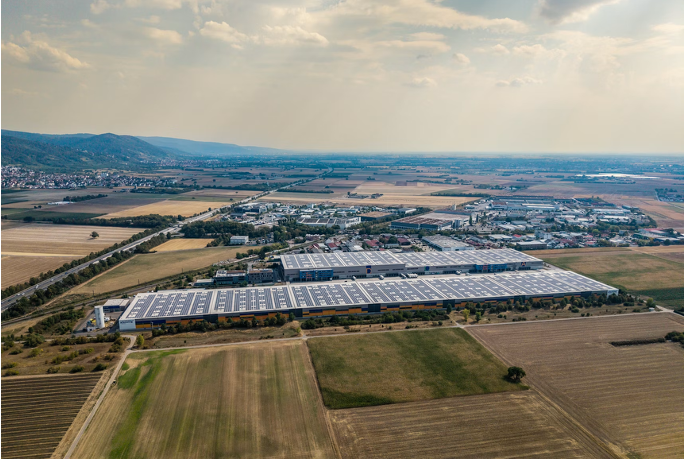
Many states across the U.S. are struggling, but Texas is one of the most prominent examples in recent history. The Electric Reliability Council of Texas (ERCOT) experienced a heat wave during which the state reached 91 gigawatts of demand — the highest it has ever reached. Its previous record was 86 GW. Fortunately, the state avoided emergency shutdowns and experienced peak generation for its solar technologies.
The power of Texas’s renewable resources is the facet of this event with the most nuance. The state has a diverse energy mix, with over half of its power coming from natural gas. However, an estimated 16,349 megawatts come from well-built solar energy infrastructure, and even more clean energy assets when wind is included. These systems were connected to battery energy storage solutions, capturing excess generation and dispersing over 10 GW of reserves during these peaks amid the temperature spikes.
The heat wave was only endurable because of this foresight to invest in battery solutions. Without them, the state grid would have faced catastrophic failures that could have put citizens in danger. Events like this are the reason an estimated 40% of the U.S. will depend on solar by 2035.
Europe’s Hot Rivers and Unreliable Baseload
https://unsplash.com/photos/green-mountain-beside-body-of-water-during-daytime-WLBFFj4QmYc
When hearing about international news, the heat waves throughout Europe were an unavoidable topic of discussion and contention. Nations like France, England, Switzerland and others were curtailing electricity consumption to avoid national emergencies, but Romania was a unique case. It has a strong presence of clean energy through nuclear power, which the nation lost for the first time in over 20 years.
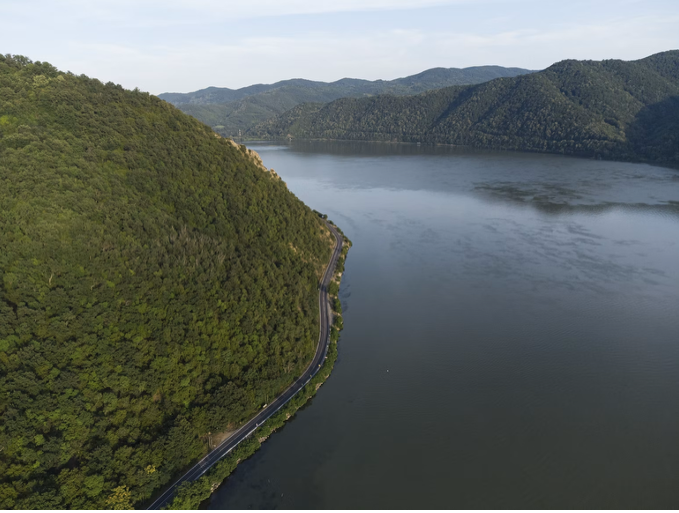
The Danube River reached its lowest discharge in over 30 years, and nuclear facilities need its cooling properties to function. When levels were too low, it could not provide the necessary environment to support the nuclear baseload. The impacts led to controlled shutdowns of both of the nation’s only reactors.
The conscious decision to power down energy assets may be why citizens did not experience the consequences of a proper blackout, which could include public health crises. However, brownouts have their unfortunate side effects, including:
- Data loss
- Productivity reductions
- Disruptions to essential operations
- Equipment damage
India’s Coal Crunch and Fragile Supply Chain
https://unsplash.com/photos/industrial-harbor-with-smokestack-pollution-TUJud0AWAPI
India already experiences consistently hot summers. However, extreme conditions placed pressure on the nation’s air conditioning systems during the monsoon season, one of its most fragile times of year.
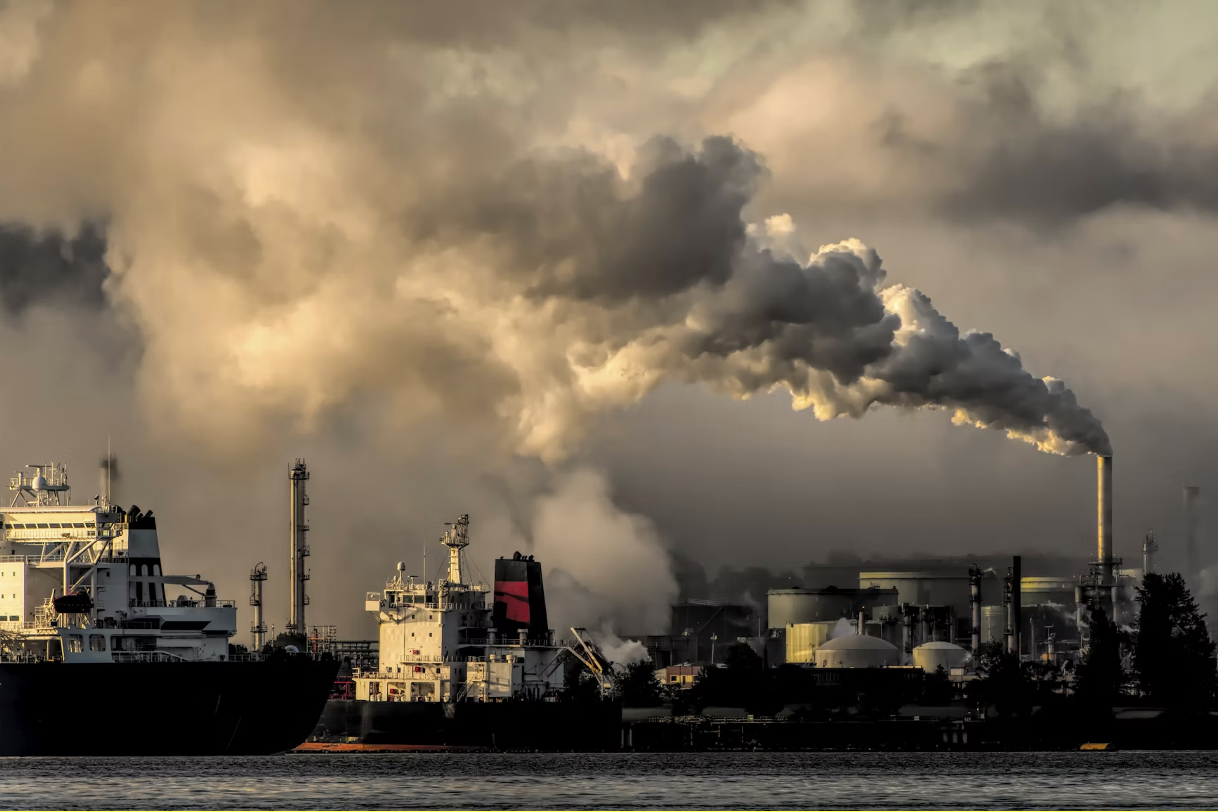
In June 2026, coal-fired power generation was at its highest level since November 2023, but rainfall was lighter than normal. This also stressed the country’s hydropower resources. The combination of higher temperatures and a below-average monsoon made the nation question its supply chains and infrastructure reserves.
Over one-third of the country’s coal plants reported critically low inventories. Trains are unable to deliver feedstock to the plants quickly enough, and supply chains have quickly realized the nation’s overreliance on fossil fuels. It made the country vulnerable to an abnormally hot and dry season, demanding system change to prevent blackouts in the future.
The Unfinished Bridge to the Future
These circumstances reveal a global pattern. If nations have to rely on intentional shutdowns or power cuts to withstand climate stressors, it is a sign that the grid needs more rapid attention. Without more stable infrastructure, homes could overheat, residents could face health challenges, and societies could question overall resilience. 2026 demand peaks highlight the changes every nation must make to combat the negative impacts of antiquated energy assets, transforming them into clean resources that preserve its communities and citizens.
About the author: Grace works as an environmental and green technology writer. She is also the senior editor of Environment.co.


Austin Texas, Google Earth Feb 2026 view. Urban areas. +/- zero roof top
PV in urban areas. zero. I notice that PV works quite well with A/C when
it is hot & sunny. Home batts and you have elec for after the sun goes down.
Odd that in the lone-star state & the erm “land of the free” there is
almost no residential PV. In the case of Europe, the partial solution
is more PV coupled to electrolysers and batts. Sadly Euro DNOs get very
agitated when this is proposed.
You’re so right