
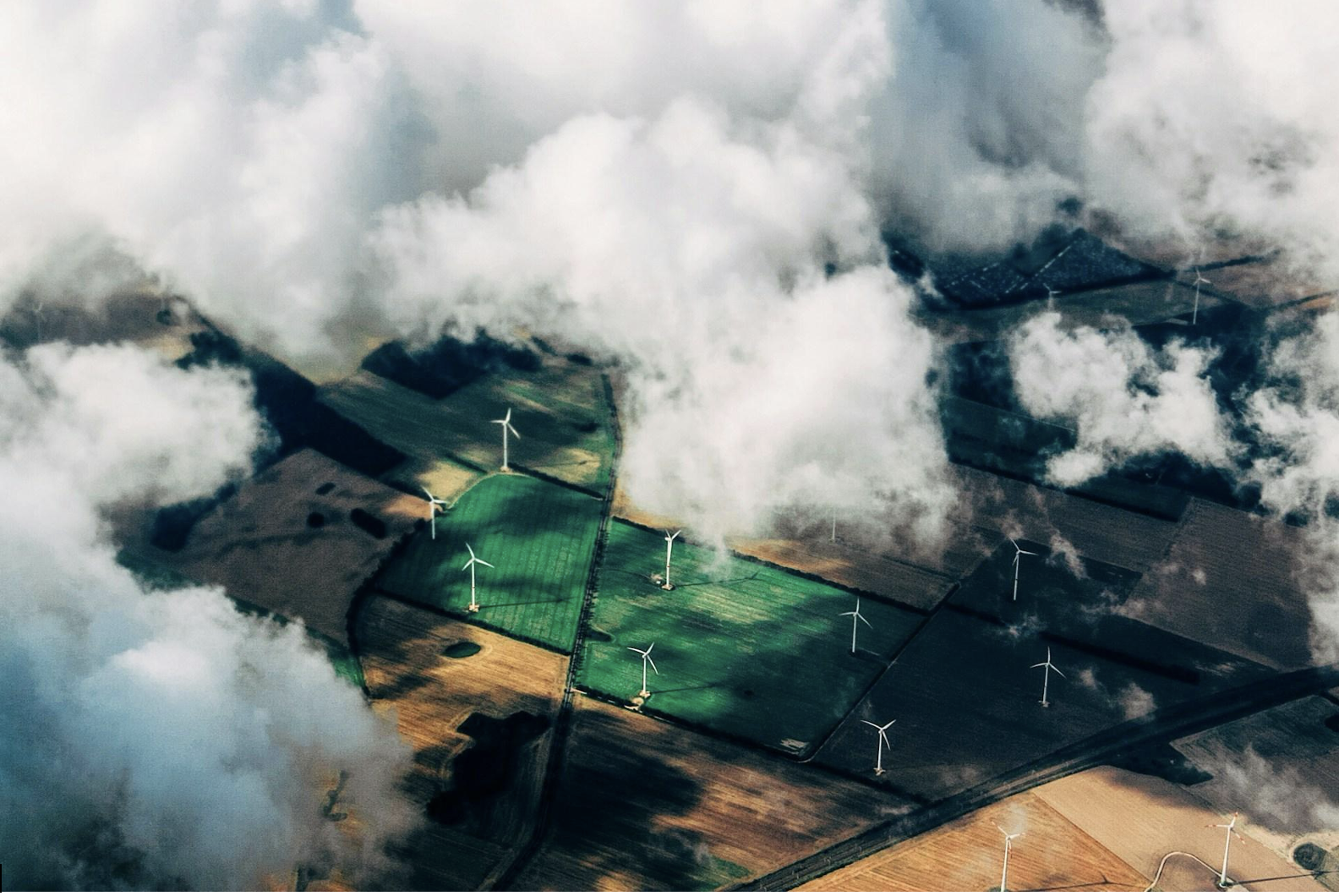
Link: Unsplash
Maintaining energy security in Europe is a growing challenge. While uptime is proving difficult with weather uncertainties, disruptions in supply and price have also left many businesses reeling. The best way forward is to shift from reactive, short-term solutions to long-term ones that offer sustainable resilience.
The Immediate Challenges of Political and Climate Volatility on Business Continuity
Though it may not seem like it, according to data from Eurostat, electricity prices for non-household entities have fallen 2% from the second half of 2024. Ireland and Italy experienced the highest prices at €0.27 and €0.23, respectively. While 12 EU countries saw their costs lower and four had them remain stable, 11 of them experienced increases, with Greece being the highest at 26.9%. Denmark’s rose by 17.2%, while Portugal’s saw a 15.1% increase.
Closer attention to the emissions the power industry creates has also increased the desire to phase out coal, but timelines on this vary across Europe. Wind and solar can differ in output depending on the weather, and nuclear typically runs at full power, so gas has become a critical source of energy-making. Reliance on weather-dependent sources has increased both the demand and the volatility of gas-fired electricity generation.
One of the biggest impacts on spending came in 2022, when Russia invaded Ukraine. This sharply drove down the amount of piped gas usually delivered to the EU, pushing prices to an all-time high. Liquefied natural gas has become a new baseload supply, but that wasn’t without some demanding readjustments.
Combine these corporate factors with environmental volatility, and business continuity faces a continuing battle. Global temperatures are rising fast, which has increased the frequency of drought, intense storms, wildfires and heat waves. Economic losses from these events from 1980 to 2022 totalled €650 billion, with yearly losses in 2022 being 41% higher than they were in 2009. Temperature extremes create greater demand for power for heating and cooling, while supplies for it are already in question. Storms can knock out power lines altogether.
Both geopolitical instability and climate change give European companies a shaky footing regarding energy resilience. Not to mention, more intensive technologies like artificial intelligence and smart devices add to the load. Downtime may become more common, while price fluctuations demand great business continuity planning to accommodate.
Backup Power Solutions Are Becoming the First Line of Defence
What has become immediately necessary are backup power solutions. Uninterruptible power supplies (UPS) have been one of the most common options for maintaining electricity in the event of a grid failure. The market is expected to grow from USD 2.5 billion in 2024 to nearly 4 billion in 2032 — a 6.1% compound annual growth rate.
Greater data consumption, digital transformation and smart grid deployments have driven the demand for UPS use. The system contains a battery that activates when it detects a drop in or loss of energy, giving users enough time to save and close what they’re working on. While this battery will eventually run out — the length of time it’s active will depend on the device’s size — it helps brands avoid losing work to sudden outages and surges. Additionally, these are becoming integral to data centre design.
More enterprises are also using commercial generators as part of their business continuity planning. These will run on fuel — which could be propane, natural gas, gasoline, diesel or dual fuel — until they run out, at which point staff can refill them for continued uptime. Stationary options will activate as soon as the power shuts off, while mobile ones offer a bit of flexibility. Single- and three-phase systems are also available, but the latter are capable of the output that commercial operations require.
While gas-powered generators are the standard, more entities are creating solar-powered options that can reduce emissions. Decision-makers could also find used or rental options to save money on energy resilience or reduce spending for a few months when backup power is most likely to be necessary.
Long-Term Efforts for Energy Security in Europe
Backup power solutions are vital for managing outages from climate and political volatility, but even longer-term solutions must be found to lessen grid strain altogether. There are multiple agencies within the EU that certify retrofits as energy-efficient or net zero, while new builds prioritise efficiency from the start. By doing so, homeowners and companies can save money that enables them to invest in backup power solutions, as well as lower their carbon footprints.
Energy-efficient building designs require less cooling, heating and overall power annually. Solar panels can help with individual power continuity, as well, with 96% of green energy generation potentially coming from solar by 2028. By adding battery storage, brands can maintain uptime when the larger grid isn’t enough.
Larger battery energy storage systems (BESS) are increasingly popular in Germany, the UK, Italy and more countries. The share of renewables in the European electricity mix has risen from 25% in 2015 to potentially up to 80% by 2030, but when wind and solar aren’t available, prices skyrocket. This is where BESSs can step in to increase the supply. Particularly in solar’s case, providers can store cheaply generated power from the daytime and offer it at night to avoid the sudden jump.
BESSs will become more necessary as countries shift to renewable energy generation. The sun doesn’t always shine, and the wind doesn’t always blow, but they can also be stronger at times. Storing the excess for moments when these technologies aren’t generating helps stabilise costs while lowering the use of fossil fuels, benefiting the environment.
Staying Resilient Requires Business Continuity Planning
Political and climate volatility affect businesses in multiple ways, but energy spending is one of the most significantly affected. To keep up, they will need to start planning for the future if they haven’t already. Like a mixture of sources is necessary to maintain grid continuity, a mixture of solutions will be the most stable way forward.
Establishing energy resilience will be critical in a world faced with uncertain weather and international relations. Enterprises that prioritise it now stand to gain greater efficiency, more reliable uptime, and potential savings on equipment and installations before there’s a rush to do so.
About the author: Rose Morrison is the managing editor of Renovated Magazine and an experienced writer specializing in energy demand and sustainability. With eight years of experience in the field, she provides EnergyInDemand readers with expert analysis and practical strategies for achieving energy efficiency and reducing carbon emissions. Connect with Rose on LinkedIn.
 Energy in Demand - Sustainable Energy - Rod Janssen