
European cities are facing the impacts of climate change, and the challenges will only continue to grow as populations increase and temperatures climb. However, by integrating sustainable landscaping and green practices into city planning, Europe can make a significant contribution to the global transition to zero-carbon energy.
Sustainable landscaping is an ecologically mindful practice used in urban areas to combat climate change. In particular, sustainable landscaping contributes to urban cooling by introducing natural methods to reduce the urban heat island effect. Global developments in energy efficiency and renewable energy policies can help offset the effects of climate change in Europe’s cities.
The Science and Impact Behind Global Cooling
The urban heat island effect occurs when cities experience significantly warmer temperatures than their surrounding areas. This warmth comes from several factors, including the scarcity of greenery. Tree coverage can create considerable cooling effects. Increasing tree coverage by 30% in cities can lower temperatures up to 5.9 degrees Celsius.
With urban residents currently accounting for 56% of the global population, urban cooling is a crucial investment in reducing environmental harm and enhancing living conditions.
Green Practices for Sustainable Landscaping
Incorporating greenery into urban planning can simultaneously beautify architecture and contribute to sustainability. However, landscaping efforts must be intentional and mindful of their impacts so as not to contribute further waste or damage. The following are examples of green practices:
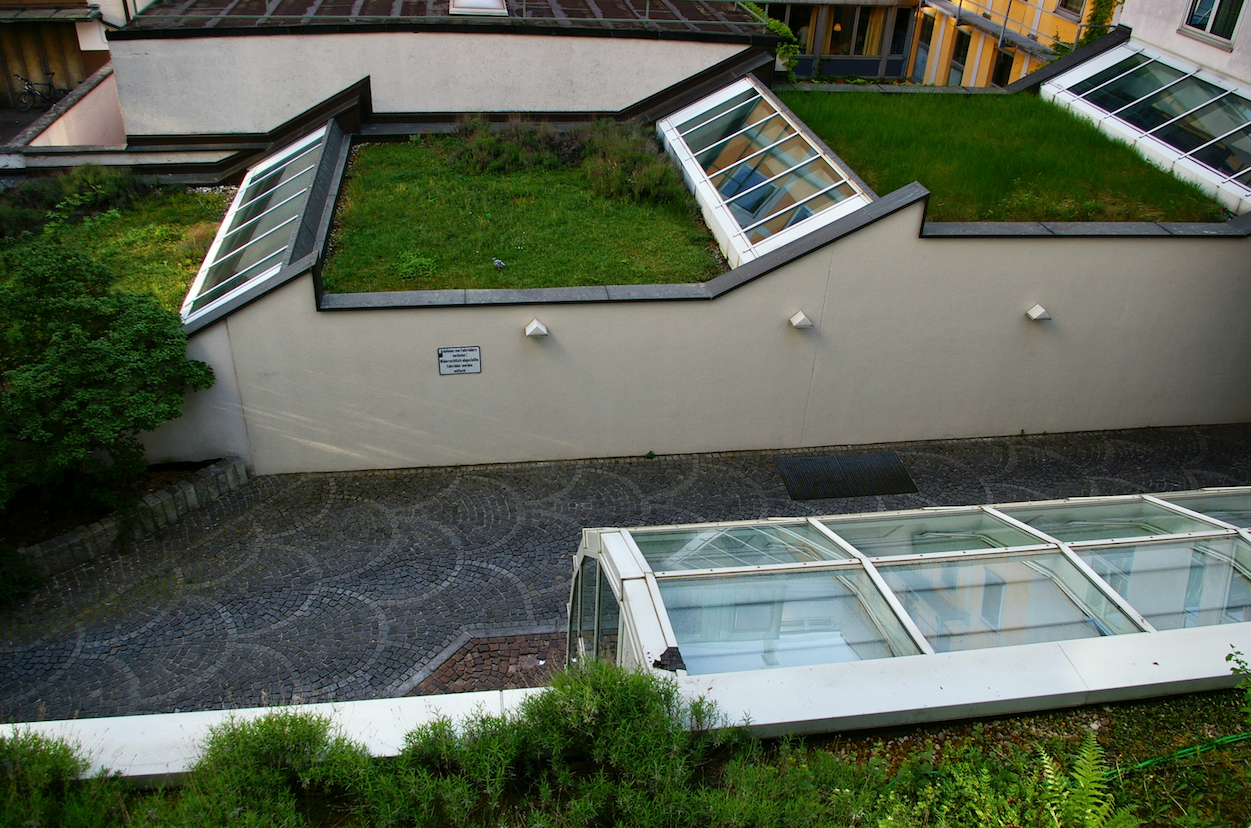
- Green roofs: Roofs partially or completely covered with plants and vegetation can conserve a building’s energy consumption and reduce cooling requirements by 70% because their temperatures are significantly lower than those of traditional roofs.
- Native plant incorporation: Plants that grow with minimal human support in urban climates are better for the environment as they require less maintenance and intervention. They also encourage biodiversity and support the local wildlife ecosystem.
- Water conservation: Xeriscaping — incorporating plants that require less water than the natural environment provides — designing around water consumption and incorporating permeable surfaces significantly reduces water waste.
- Renewable energy: Features like solar panels can be incorporated into building designs, including over parking spots, to increase shade while providing clean energy.
Framework for Green Practices
The European Union and the United Nations are collaborating to develop policies that promote sustainability. The 17 Sustainable Development Goals outlined in the 2030 Agenda aim to provide a global framework for addressing climate issues, in line with the Paris Agreement on Climate Change. The Clean Industrial Deal, introduced in 2025, also outlines the EU’s goal to be a world leader in clean practices and reach climate neutrality by 2050.
The plans describe numerous objectives, including a goal to designate 20% of EU funding for climate initiatives. The European Green Capital Award is an effort to reward European cities that commit to the EU’s ecological goals. The winner receives a grand prize of €600,000, while other finalists earn €200,000 each. This financial incentive pushes individual cities to reduce their ecological footprint.
The EU’s efforts aim to encourage a more sustainable future. Looking to the winners of these ecological practices can encourage other cities to do even better and push for sustainable landscaping. With support from the government to achieve sustainable development goals, cities can move toward green practices in urban areas and beyond.
Barriers and Opportunities
Switching to sustainable practices is an investment and may come with initial challenges. These difficulties, though, also present opportunities for new advancements.
Practising Ongoing Maintenance
Sustainable landscaping requires careful maintenance. Landscaping features, like bridge embankments, control the spread of hazardous elements, such as chemicals, pollutants and water runoff, that can be environmentally harmful. However, they must be kept clear and thoughtfully maintained to protect their structural integrity. Although there’s an initial upfront cost, integrating new infrastructure and tools to uphold routine maintenance is an opportunity to upgrade current systems and improve processes.
Balancing Aesthetics with Ecology
Urban planning and development must also consider the visual aspect of landscaping. Sometimes, native plants or green designs don’t meet the expectations of residents. For example, while they’re an iconic Los Angeles staple, palm trees are not native to California, and they provide little shade to cool hot desert temperatures. It would be challenging to remove such well-loved greenery, but urban landscaping must balance desires for aesthetic appeal with environmental preservation.
Securing Funding
Despite the EU’s efforts to financially contribute to sustainable practices, investing in restructuring and maintaining green infrastructure presents a significant barrier for many areas. Fortunately, many green efforts aim to reduce energy and water consumption, which contributes to both financial and environmental sustainability.
Rethinking Urban Landscape
European cities can implement green infrastructure and sustainable landscaping in various ways, even at the individual level. As temperatures continue to climb, cities must consider planting trees, implementing parks, installing green roofs and instigating action plans to maintain livable spaces. However, it doesn’t have to stop there.
Community Involvement
Individuals can positively impact their surroundings and maintain ecological practices for themselves and for their community. Window box gardens or vertical gardens on the wall of a building can encourage greenery and biodiversity. Remember to opt for native plants and water reduction methods when possible.
Community and rooftop gardens are great ways to encourage community members to work together toward sustainable futures. Communities can contact landlords about gardening in their apartment buildings and on rooftops, as well as ways to conserve energy use during hot summers and cold winters. Offices, too, can implement green practices by incorporating more native plants, reducing water and energy usage, and encouraging community engagement events centred on sustainability.
Individuals can also communicate with government representatives and climate organisations about incorporating sustainability into their communities. One small action can make a world of difference, and a million small actions can make a city a far better place.
A Cooler, Greener Future
Climate change and its impacts are already here. Urban heat islands may become unlivable without intervention. Sustainable practices centre on nature and livability, benefiting people’s living conditions. By implementing and maintaining sustainable landscaping and green infrastructure in cities, urban cooling and energy efficiency can save Europe’s cities.
About the author: Rose Morrison is the managing editor of Renovated Magazine and an experienced writer specializing in energy demand and sustainability. With eight years of experience in the field, she provides EnergyInDemand readers with expert analysis and practical strategies for achieving energy efficiency and reducing carbon emissions. Connect with Rose on LinkedIn.
 Energy in Demand - Sustainable Energy - Rod Janssen