
https://unsplash.com/photos/gray-industrial-machine-xD5SWy7hMbw
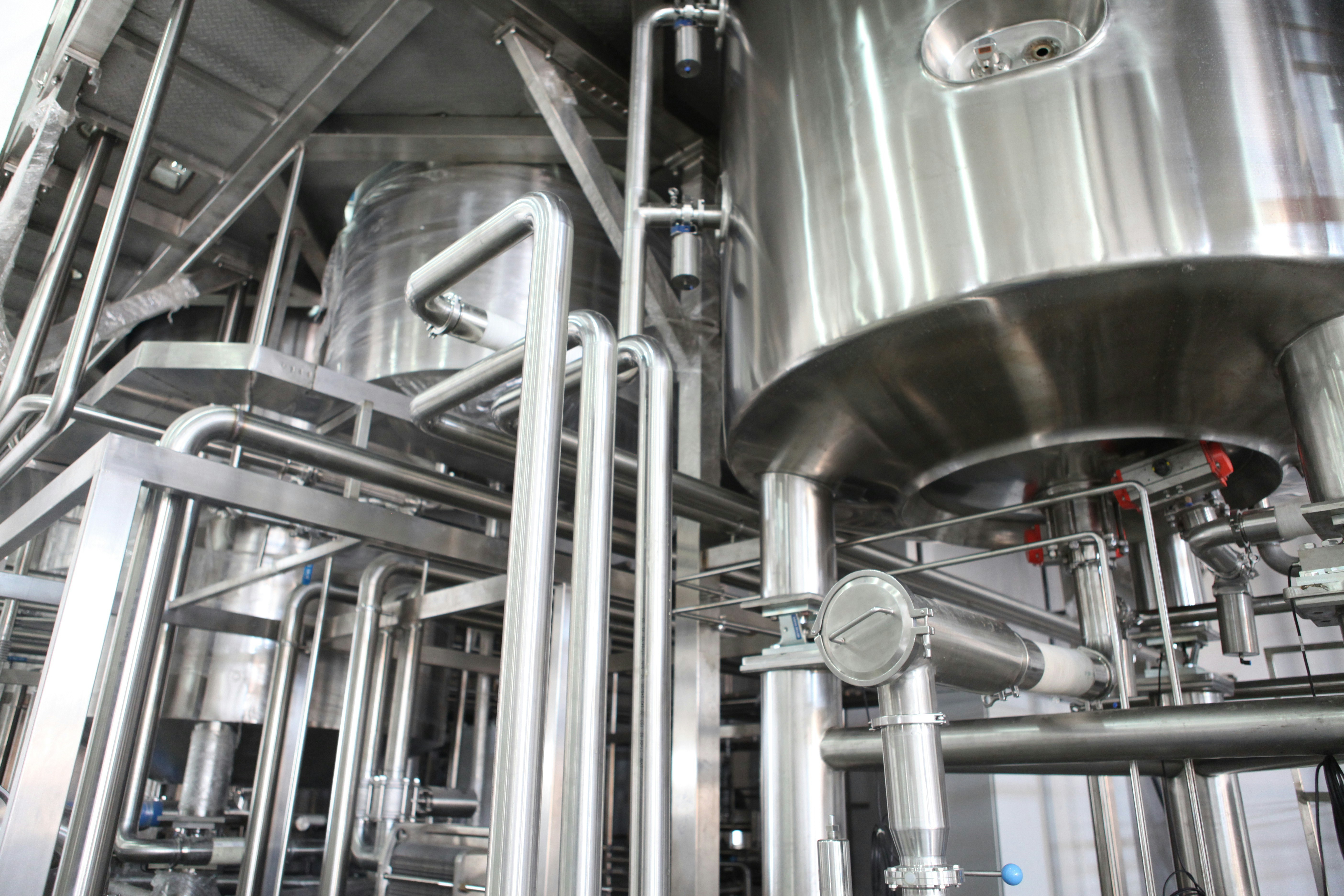
Industrial process heat is a critical component of material handling in factories, enabling the production of steel, cement, chemicals and food. Despite its heavy reliance on fossil fuels, many overlook it in the climate crisis.
Decarbonising Europe’s manufacturing sector is a priority as nations aim to meet their overarching climate goals in the coming decades. European countries hope to achieve adaptable solutions for a net-zero future through electrification, alternative energy, and stringent policy changes.
Industrial Heat Demand in Europe Is a Rising Concern
The rise of industrial heat demand and energy-intensive manufacturing is a growing concern throughout Europe. According to one report, industrial heat accounts for one-fifth of the global energy demand and ample carbon dioxide (CO2) emissions.
In fact, the International Energy Agency says energy-derived CO2 increased by 0.8% in 2024, about 50% higher than pre-industrial levels and breaking all-time high records.
The industrial sector primarily operates on fossil fuels like natural gas and coal. Fossil fuels come from decomposing organic matter under the Earth’s surface, with some dating back to the dinosaurs. Although they provide a cheap option for heat generation, dependence on them results in significant greenhouse gas emissions.
In 2024, experts predicted a 0.7% decline in output, partly due to higher interest rates. Although manufacturing and production industries might have slowed, the need for process heat remains. Therefore, Europe has set its sights on clean energy alternatives.
Renewable Technologies Reshaping Industry
Energy-intensive manufacturers are looking toward renewable technologies as the sector revolutionises operations to meet new sustainability compliance rules and regulations. The following approaches will enable Europe to achieve its climate goals in the coming years.
Electrification
Electrification is critical to a sustainable future, especially when powered by renewable energy sources, such as electric vehicles and charging stations and the development of energy storage systems.
Technologies like heat pumps, electric boilers and resistance heating can replace fossil fuel systems for food processing, textile production and paper manufacturing. Industrial heat pumps, in particular, are ideal for low- and medium-temperature heat that facilities use for pre-heating high-temperature production processes.
Biomass and Biogas
Food processing and paper manufacturing might consider biomass and biogas to produce industrial process heat. Biomass relies on organic materials, such as wood chips, agricultural debris and energy crops like corn, while biogas generation derives from anaerobic digestion of organic waste.
According to BiogasAction, Europe had successfully installed 17,662 biogas and 503 biomethane operational units by the end of 2016. Biogas production in the European Union increased to 14.9 million tonnes of oil equivalent in 2021, with Germany being the largest producer.
Green Hydrogen
Green hydrogen generates almost no emissions at the point of production, aside from some nitrogen oxides during combustion. This fact makes it highly conducive to industrial applications like steel, cement, and chemical manufacturing. Storing large amounts of energy underground for extended periods is especially advantageous.
While green hydrogen’s fuel efficiency is only 33%, experts predict it will reach 42% in the future, and studies show it outperforms fossil petrol and diesel.
Concentrated Solar Thermal
Concentrated solar thermal (CST) technology utilises mirrors and lenses to generate high-temperature heat from sunlight. This method for producing industrial process heat works best in sunny, warm parts of Europe.
In 2023, Belgium-based paper manufacturing company Avery Dennison commissioned Europe’s largest CST storage facility to heat its factory. Developers planned to have 2,240 mirrors with a maximum solar yield of 2.7 gigawatt hours, which would generate 100% of the factory’s energy during the summer.
Policy and Market Drivers in Europe
Transforming industrial process heat paves the way for sustainability in other industries, such as construction. Giving builders green options like low-carbon building materials is fundamental to sustainable design. However, this type of change demands new policies throughout manufacturing.
The European Union Green Deal and the Fit for 55 package set targets for cutting CO2 emissions. For example, the Fit for 55 law strives to decrease emissions by 55% by 2030 and achieve carbon neutrality by 2050.
The Net-Zero Industry Act from the Green Deal Industrial Plan also aims for manufacturers to supply at least 40% of Europe’s needs annually by deploying net-zero technologies. Another market driver is carbon pricing, which raises the costs of fossil fuel-based heat and encourages companies to invest in renewable energy.
Barriers to Adoption and Emerging Solutions
Adopting renewable energy for industrial process heat is challenging, and manufacturers face several hurdles to implementation. The price tag for purchasing new equipment and retrofitting existing facilities is costly, and scientists are still developing cleaner alternatives. The supply chain must also catch up with such a transition.
Likewise, Europe’s aspirations for a clean energy future are only possible with a capable workforce. The potential is there, with the United Kingdom creating 270,000 green energy jobs by 2023 and a goal of two million green opportunities by 2030. However, a shortage of skilled workers to operate these new systems exists.
Europe is facing these hindrances head-on. In 2023, H2 Green Steel announced production at Sweden’s first green steel plant, expecting to create its first batch of materials in 2025. It produces its own green hydrogen from a nearby river and hopes to reduce emissions by 95% compared to conventional methods.
Meanwhile, targeted training programs can close the green skills gap and build an expert workforce in the green energy sector and manufacturing.
A Path Forward for Zero-Carbon Industrial Heat
Zero-carbon manufacturing is critical for a climate-centric economy. In Europe, where industry is a driving market force, integrating renewable energy and green technologies paves the way for a sustainable future.
About the author
Rose Morrison is the managing editor of Renovated Magazine and an experienced writer specializing in energy demand and sustainability. With eight years of experience in the field, she provides EnergyInDemand readers with expert analysis and practical strategies for achieving energy efficiency and reducing carbon emissions. Connect with Rose on LinkedIn.
 Energy in Demand - Sustainable Energy - Rod Janssen