
The ComparetheMarket website has been looking into automobile waste and earlier this year published a guide on 50 important facts and statistics about automobile waste in 2022. For EiD, it has prepared the following blog on whether electric vehicles create more waste.
Do electric cars create more waste?
Electric cars are on the rise as consumers become more conscious of their carbon emissions and move away from diesel and petrol vehicles. Although it’s clear that car journeys powered by electricity generate significantly less CO2 than those powered by fossil fuels, there is some concern about the overall eco-friendliness of electric vehicles (EVs). A big cause for concern is the amount of waste EVs produce when it comes to the end of their life. Here are three facts about EV waste to help us understand whether electric cars really do create more waste than non-electric cars.
https://unsplash.com/photos/HjV_hEECgcM
1. EV batteries are designed to last for 100,000 miles
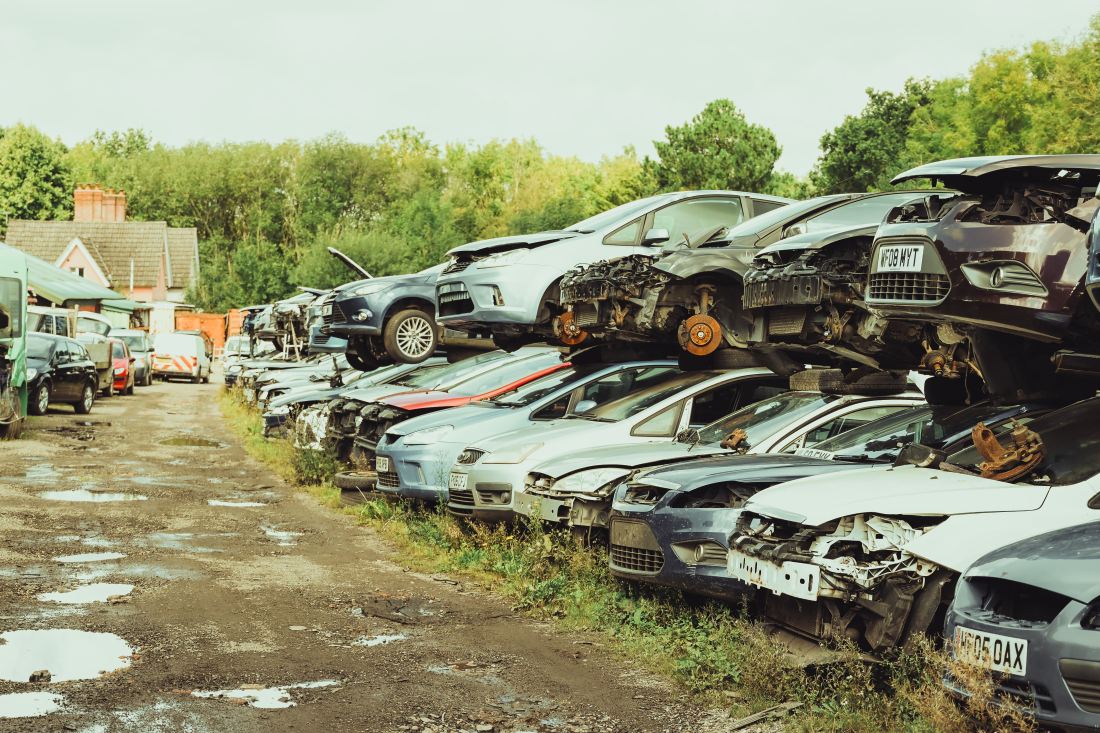
Currently, most manufacturers usually provide extended warranties of eight years or 100,000+ miles to cover batteries of brand new EVs. This is in line with current non-electric vehicle lifespans. The average age of vehicles on the road is eight years, and the average age of a car at the end of its life is 14 years. It seems highly unlikely that consumers are replacing or scrapping EVs more frequently than non-electric vehicles, so we don’t have to worry about EVs generating more waste in this respect.
https://unsplash.com/photos/a-bunch-of-cars-that-are-sitting-in-the-dirt-L1-C18SAeV8
2. EV battery waste could reach 11 million tons by 2030
11 million tons of battery waste might sound appalling, but great efforts are being made to ensure EV batteries are being recycled to minimise the harmful impact of this waste. Once batteries reach the end of their lifespan for powering a vehicle, they can be repurposed. A popular method is to use them to store renewable energy. When repurposing can’t take place, recycling can allow some of the battery materials to be recovered and reused. Fortunately, up to 90% of the lithium and cobalt used in EV batteries can be retrieved with the latest recycling technology. There’s still work to be done to make EV battery recycling processes as efficient as possible, but the industry is constantly innovating to minimise waste.
https://unsplash.com/photos/xe-e69j6-Ds
3. EVs require part replacements less often than non-EVs
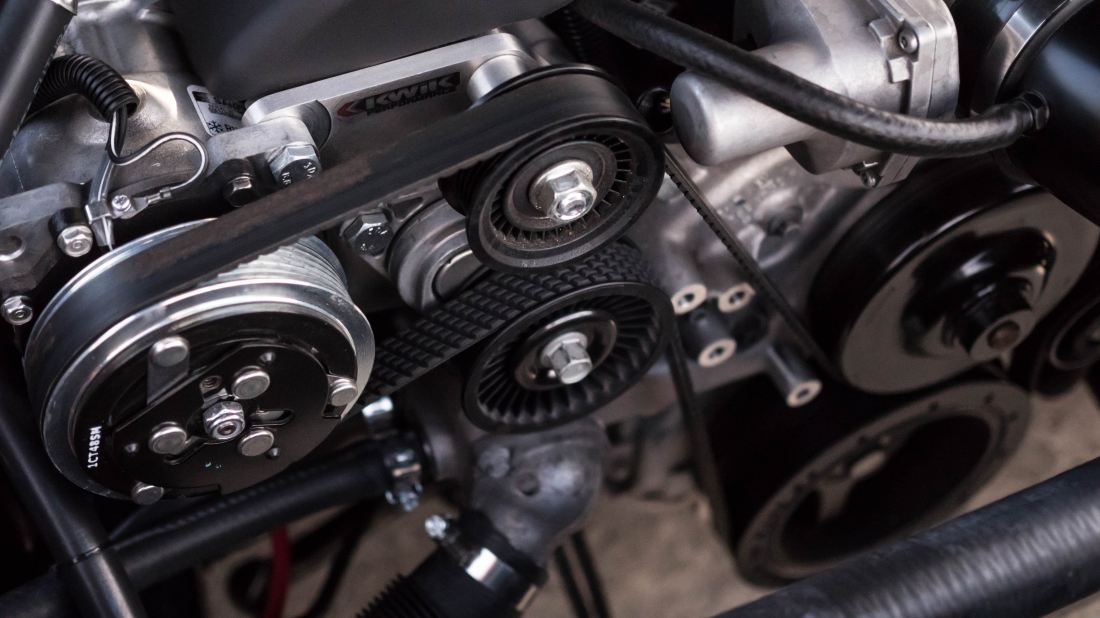
Non-electric vehicles have hundreds of moving parts, all of which are at risk of failing over time. EVs have significantly fewer parts to sustain wear and tear. Plus, EVs use regenerative braking technology to slow the vehicle via the electric motor in order to make braking more efficient. This means that brake discs and pads usually last far longer on EVs than on non-electric vehicles. Over its lifespan, an electric car should produce less waste from replaced parts than non-electric vehicles.
EVs are more sustainable overall
It’s hard to give a definitive answer as to whether EVs create more waste overall than non-electric vehicles. Although EV batteries are a significant worry when it comes to vehicle waste, repurposing and recycling technology is quickly evolving to minimise harmful battery waste. The overall carbon footprint of an electric car across its lifespan is less than that of a non-electric vehicle. With this in mind, we should continue to support EV innovation to minimise waste and further improve the sustainability of electric cars in the future.
 Energy in Demand - Sustainable Energy - Rod Janssen